
Saudi Aggression on Saada: African Migrant Injured in Munabbih Amid a Pattern of Daily Violations Against Civilians
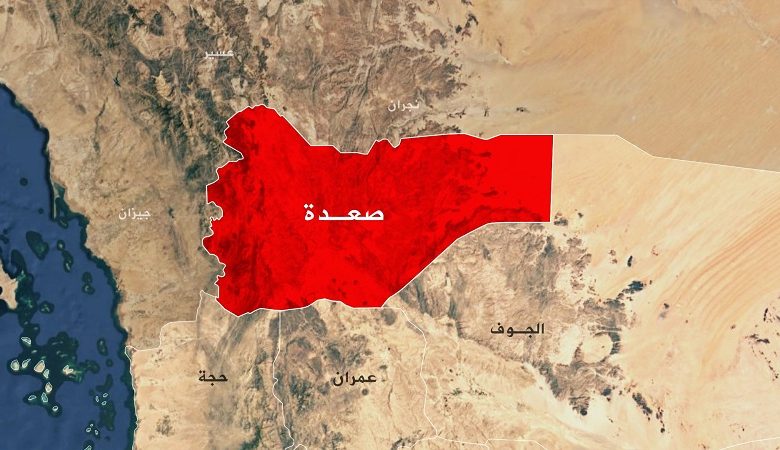
In a new crime added to the record of Saudi violations against civilians in Saada, an African migrant was injured on Friday by fire from the Saudi enemy army opposite the Al-Raqo area in Munabbih Border District. The incident reflects the continued, deliberate policy of aggression targeting civilians and densely populated areas.
This attack comes just one day after two African migrants were injured in the same governorate, while a Yemeni civilian was martyred last Monday in Shada District—a pattern that underscores the criminal and systematic nature of Saudi assaults on villages, roads, farms, and public spaces. Over recent months, these attacks have resulted in dozens of martyrs and wounded, and have caused extensive damage to civilian property.
According to local media sources, civilians are being targeted with heavy and medium weapons in areas where no military sites are present, placing these acts squarely within the definition of war crimes under international humanitarian law. The sources affirm that these attacks are part of an ongoing escalation aimed at terrorizing residents and destabilizing the border strip.
Observers note that the persistence of daily attacks contradicts Saudi claims of adherence to de-escalation efforts and exposes Riyadh’s intent to entrench a policy of sustained intimidation against civilians. Human rights and humanitarian organizations have previously called for independent international investigations into crimes committed along the border; however, repeated disregard for these demands has emboldened Saudi forces to continue their violations with impunity.
Border villages in Saada remain trapped in a state of fear and constant danger, amid field warnings of a worsening humanitarian situation and rising displacement, as the daily shelling of civilians continues—placing residents face-to-face with a systematic policy of aggression aimed at terrorizing them and stripping them of their most basic human rights.