
Red Cross: Gaza situation extremely difficult, urgent need for aid, infrastructure reconstruction
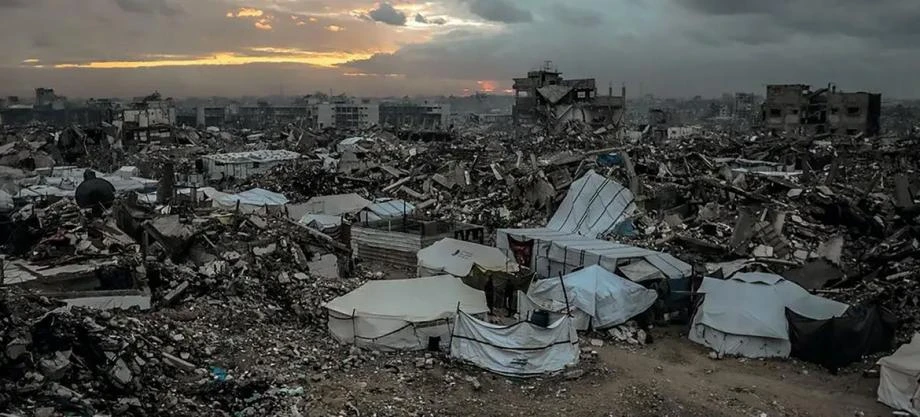
The International Committee of the Red Cross (ICRC) confirmed that living conditions in the Gaza Strip are “extremely difficult,” stressing the urgent need to expand humanitarian aid to include food, shelter, and the repair and reconstruction of damaged infrastructure.
In an interview with the Palestinian newspaper “Falastin,” published Tuesday, ICRC spokesperson Amani al-Naouq said, “Daily life remains extremely difficult for hundreds of thousands of residents of the Gaza Strip, despite the ceasefire agreement that came into effect on October 10.” She noted that thousands of families remain displaced and missing loved ones, and residents are struggling to access food, clean water, medicine, and adequate shelter.
She added, “More than 80% of Gaza has been affected by evacuation orders in recent months, leading to overcrowding of civilians in limited areas, while basic services remain ineffective in many regions.”
She stressed the need to increase supplies to meet urgent needs, noting that the persistent shortage of basic necessities over the past two years has deprived residents of food and safe shelter, forcing them to wait for hours for water trucks.
The ceasefire agreement in the Gaza Strip came into effect on October 10th, following a two-year-long Zionist war of genocide. However, the Israeli army continues to violate the agreement daily and still prevents the entry of most humanitarian aid into the Strip.
The spokesperson for the International Committee of the Red Cross explained that aid must be delivered in a sustainable, efficient, and comprehensive manner, encompassing not only food and shelter but also the repair and reconstruction of infrastructure. This is essential to ensure that residents can live with dignity despite the dire conditions they face, including a lack of privacy, adequate space, and sanitation facilities.
She stated that the residents of Gaza have endured more than 24 months of widespread hostilities and mass displacement, and that humanitarian needs remain immense. With the arrival of winter and heavy rains, the suffering of displaced people in tents and makeshift shelters, unable to withstand the rain and cold, is exacerbated, exposing thousands of families to flooding and freezing temperatures.
She noted that the harsh weather conditions increase the risk of collapse of dilapidated buildings. According to the Ministry of Interior and National Security in Gaza, the collapse of 46 damaged buildings since the latest ceasefire agreement has claimed the lives of 18 people.
Al-Naouq warned that the weak infrastructure increases the risk of disease outbreaks due to inadequate sanitation, unsafe water, contaminated water sources, and the spread of rodents and pests, raising the likelihood of cases of diarrhea, dysentery, typhoid, and hepatitis A.
She stated that the health system in Gaza is “suffering from near-total collapse,” with a severe shortage of medical supplies, while a constant influx of war wounded deprives the majority of patients of effective treatment and increases the risk of infection.
Al-Naouq concluded by noting that Israel’s continued failure to uphold its commitments under the Gaza agreement, from the ceasefire to the entry of food, medical, and shelter aid trucks, is exacerbating the already dire humanitarian situation in the Strip.