
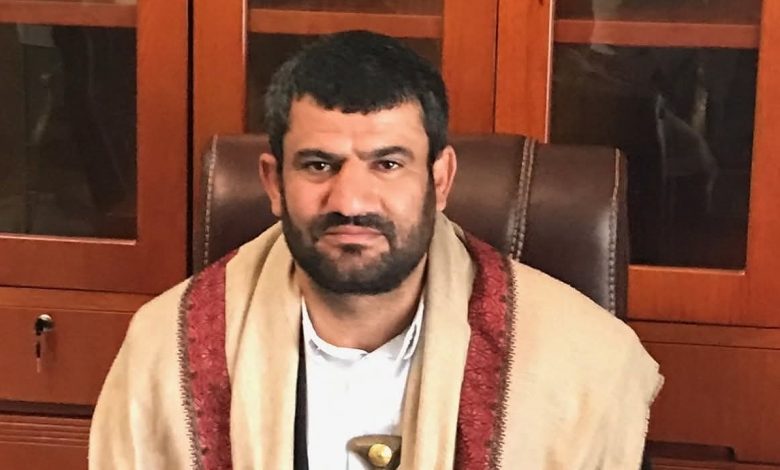
Head of the Committee for Addressing Prison and Detainee Cases Reveals the Release Mechanism and Fieldwork Mandates
Within the context of a transformative revolutionary shift aimed at rebuilding Yemen’s justice system, the Head of the Committee for Addressing Prison and Detainee Cases, Sheikh Ali Nasser Qirsha, revealed—during an exclusive interview with 21 September—the essence of the initiative granted by the Leader, Abdulmalik Badr al-Din al-Houthi (may God preserve him), to release prisoners and those burdened by debt. He explained that the initiative is not a limited legal measure, but rather an extension of a Qur’anic project intended to lift injustice and restore dignity to individuals exhausted by years of aggression and siege.
Qirsha emphasized that a prisoner is not merely an administrative number; each case represents an entire family that has endured suffering. Keeping a person behind bars due to financial incapacity constitutes compounded injustice that cannot be tolerated. He noted that the initiative served as a recalibration of priorities, reaffirming that the state—under its revolutionary leadership—is a authority of care, protection, and accountability before God, not an authority of coercion.
Regarding the committee’s responsibilities and operational mechanisms, the head of the committee stated that the Leader’s directives were firm and unequivocal: no symbolic releases from behind desks. Instead, there must be direct field visits to prisons—looking detainees in the eye, listening to their stories, and reviewing files item by item to ensure that no wronged individual is left behind while also preserving the authority of the law. He added that the committee adopted a multi-stage mechanism that includes comprehensive data collection, classification, legal review, and on-site inspections, carried out in full coordination with prosecution offices, courts, the Ministry of Interior, and relevant judicial bodies.
This approach, Sheikh Ali Nasser Qirsha affirmed, constitutes a state-building endeavor as much as it is a humanitarian act. It paves the way for a new phase within Yemen’s justice system—one that restores the spirit of justice and bridges the gap between legal texts and human dignity.