
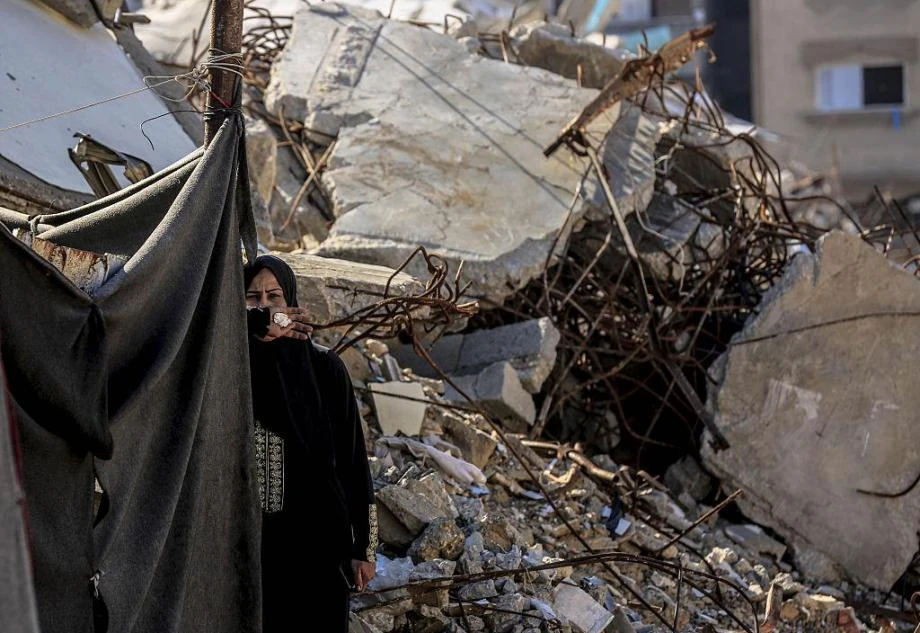
Environmental expert warns: Pollution, debris in Gaza threaten health of displaced people
An environmental expert on Sunday warned of the health risks stemming from ongoing environmental pollution and the spread of debris in the Gaza Strip, emphasizing that these conditions threaten the health of displaced people and exacerbate their suffering amidst the ongoing war.
Dr. Abdel Fattah Abdel Rabbo, a professor of environmental sciences at the Islamic University of Gaza, told the Palestinian newspaper “Falastin” on Sunday that “environmental pollution can cause infectious and non-infectious diseases and increases the spread of insects, mosquitoes, and rodents, posing a direct threat to people’s health.”
He pointed out that the foul odors resulting from the accumulation of solid waste and sewage make life even more difficult for displaced people. He added that mosquitoes can cause skin rashes, while flies transmit various diseases, and scorpions and snakes can appear among the debris due to the porous environment created by the rubble.
In response to rumors about the outbreak of leptospirosis, Abdul Rabbo confirmed that this is a contagious bacterial disease usually transmitted through water or soil contaminated with the urine of infected animals, such as rats, mice, and stray dogs, which are prevalent in displacement areas.
He explained that the bacteria often enter the body through small wounds in the skin or mucous membranes of the eyes, nose, and mouth, emphasizing the importance of avoiding swimming or wading in stagnant, contaminated water and controlling rodents and other harmful animals.
He stressed that “rats, or what are locally known as ‘al-arsa,’ pose a danger to displaced people, especially those with underlying health conditions, as their bites can cause serious illnesses such as gangrene in diabetics.”
He pointed out that displaced people suffer from a severe shortage of basic necessities, most notably food, which increases their vulnerability to environmental pollution.
The environmental expert said that the necessary preventive measures to reduce the spread of diseases require a complete cessation of hostilities, opening of crossings to remove rubble, improvement of water and sanitation networks, serious management of solid waste, and improvement of the health situation to treat infected cases.