
Abu Hasna: Gaza’s humanitarian situation is deteriorating & dangerous, thousands of trucks stalled outside strip
The media advisor for the United Nations Relief and Works Agency for Palestine Refugees (UNRWA), Adnan Abu Hasna, warned that the humanitarian situation in Gaza has deteriorated to extremely dangerous levels amid a severe shortage of essential aid, including shelter materials and medicines, posing rapidly escalating risks to the lives of the population.
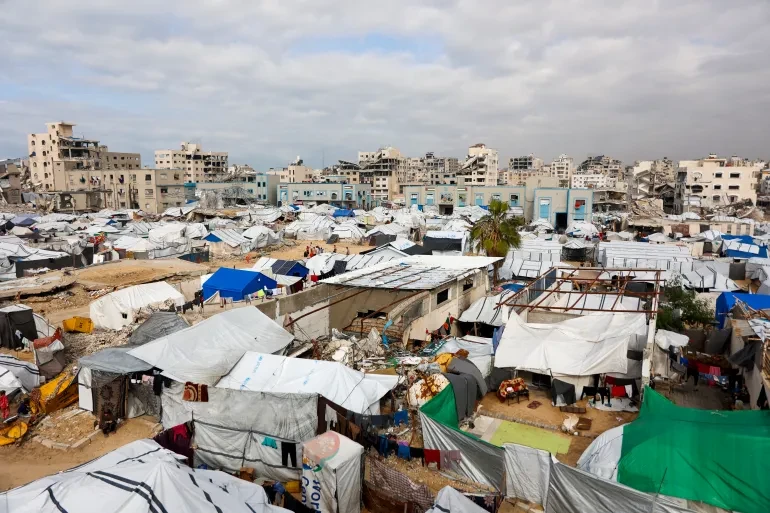
In a statement to Al Jazeera Net on Thursday, Abu Hasna explained that tens of thousands of tents have arrived in Gaza following the ceasefire, but they cover only a small portion of the actual needs. He emphasized that the Strip requires hundreds of thousands of tents to provide safe shelter for Palestinians.
He noted that around 1.5 million Palestinians are currently living in fragile tents, most made of cloth or plastic, which cannot withstand strong winds or harsh weather conditions. The crisis is further compounded by the destruction of infrastructure and the retention of sewage water in displacement camps, especially in sandy areas and along the coast.
Abu Hasna added that thousands of tents have been erected close to the sea, making them vulnerable to flooding from rising tides and waves. He stressed that the delivery of hundreds of thousands of additional tents has become “urgent and cannot be postponed.”
He confirmed that the humanitarian crisis in Gaza is not limited to supply shortages but also includes a severe deterioration of the health sector, water contamination risks, and acute shortages of medical and laboratory equipment. Addressing these challenges has become nearly impossible without the urgent and comprehensive delivery of aid.
Abu Hasna revealed that UNRWA has thousands of trucks loaded with aid, currently stalled at the borders of Gaza and in the agency’s warehouses in Egypt and Jordan. The supplies include food sufficient for three months, as well as tents, blankets, and clothing for approximately 1.3 million Palestinians.
He warned that continuing the current situation “takes us back to square one,” emphasizing that the solution is not limited to food delivery alone. A comprehensive package is required, including shelter, specialized medicines, medical devices, laboratory , radiology equipment, to revive the health sector and save patients’ lives.
He also cautioned that hundreds of thousands of patients face the risk of worsening health conditions amid the spread of gastrointestinal diseases and malnutrition, with the majority of the population suffering from food insecurity.
The ceasefire agreement in Gaza came into effect on October 10, following a two-year-long genocidal war by the Israeli occupation. However, the Israeli army continues daily violations of the agreement and still prevents the majority of humanitarian aid from entering the Strip.