
A Record of Blood That Does Not Expire: Ongoing Saudi Enemy Crimes Against the People of Saada and African Migrants
Saudi crimes continue to accumulate along the border strip of Saada Governorate as documented facts that admit no denial and are not subject to the statute of limitations. This reality exposes the falsity of the enemy’s claims of peace and confirms its persistence in violating national sovereignty and deliberately targeting civilians—Yemenis and African migrants alike—through a systematic and ongoing policy.
In the latest of these crimes, five civilians were injured on Saturday by gunfire from the Saudi enemy army in the border district of Shada in Saada Governorate, following shelling that targeted populated areas. Our correspondent reported that the injured were transferred to health facilities to receive treatment amid severe humanitarian conditions suffered by border districts as a result of continued escalation.
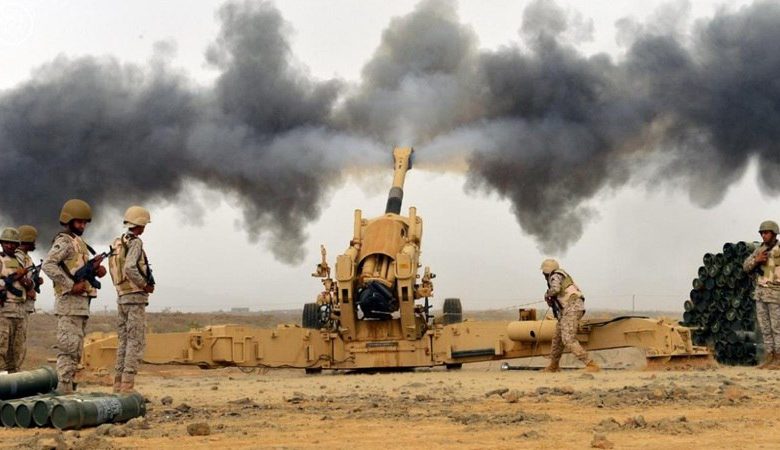
Today’s crime does not stand in isolation. Over recent days, weeks, and years, Saudi attacks involving sniper fire, live ammunition, artillery, and missile shelling have repeatedly occurred, resulting in injuries and fatalities among civilians in Munabbih, Shada, and Qatabir. These attacks have also targeted African migrants traveling along open routes near border areas—an assault that reveals the enemy’s blatant disregard for human life without discrimination.
Border areas in Saada have effectively been transformed into zones of daily targeting. Sources have documented repeated injuries in areas opposite Al-Raqw, Al Al-Sheikh, and Al Al-Thabit, in addition to shelling that struck safe villages and caused extensive damage to public and private property. This recurring pattern confirms intent rather than error and exposes the criminal nature of the aggression.
From the perspective of international humanitarian law, these attacks constitute a clear violation of the principles of civilian protection, distinction, and proportionality enshrined in the Geneva Conventions and their Additional Protocols. Targeting African migrants—as protected civilians—amounts to a documented crime warranting accountability and refutes any claim of respect for the law or pursuit of peace.
Despite repeated calls to halt escalation, the Saudi enemy continues its daily violations of Yemeni sovereignty, while the national side maintains its commitment to the success of peace efforts. This stark contradiction reveals the reality of the Saudi position, where the language of peace on podiums is replaced by bullets and shells on the ground.
Residents of the border areas affirm their legitimate right to life and security, stressing that the blood of the martyrs and wounded will remain a testament to an open record of crimes. These incidents—documented in time and place—will not be erased by the passage of time nor obscured by disinformation campaigns.
What is happening in Saada is not a series of isolated incidents, but a permanent record of blood that places legal and moral responsibility on the Saudi enemy and confronts the international community with an obligation that brooks no delay: protecting civilians, holding perpetrators accountable, and stopping the repeated attacks carried out amid glaring UN silence.