
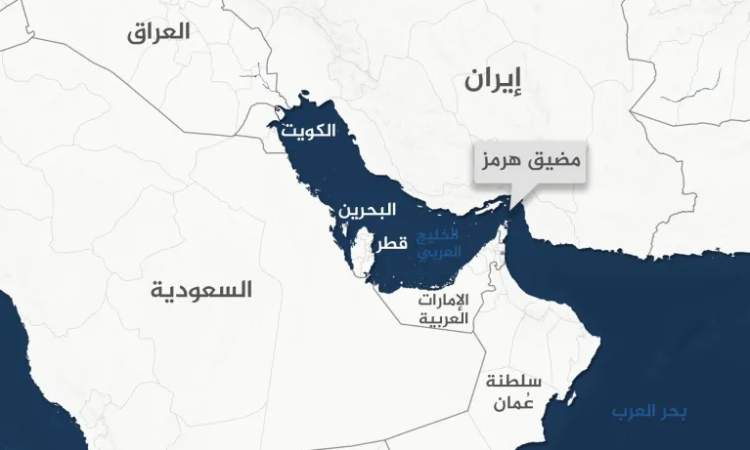
The Strait of Hormuz: A Global Shipping Hub Between Escalation and a Fragile Truce
Despite talk of a temporary ceasefire in the region, seafarers’ unions and global shipping companies have maintained the classification of the Strait of Hormuz as a “war zone” until July 9th, a move reflecting the continued grave risks to international navigation.
This decision, which affects approximately 15,000 vessels bound by International Collective Bargaining Forum (IBF) agreements, doubles the wages of seafarers working in the strait and grants them the right to refuse to sail and return home at the expense of their operating companies.
This increases the operating costs for shipping companies and confirms that the existing truce has not altered the reality of the security threats.
The International Transport Workers’ Federation (ITF) and the Joint Negotiating Group (JNG) explained that the decision is based on an assessment of “grave danger to life,” noting that the Joint Committee will resume weekly review meetings after their suspension last May due to the absence of any indications of improvement in the security situation.
Analyzing this situation reveals that the Strait of Hormuz, through which a large percentage of global oil exports pass, remains an open arena for geopolitical tensions, and that its continued classification as a war zone puts additional pressure on global energy markets and increases the fragility of supply chains at a time when the international economy is experiencing sharp fluctuations.