
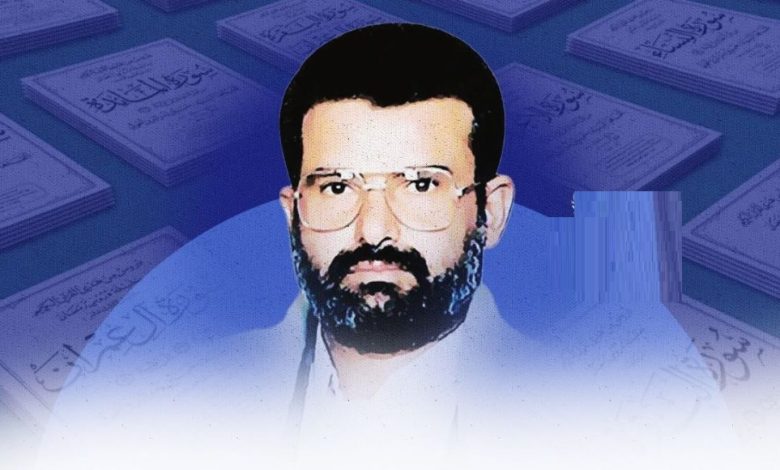
From Chaos to Permissiveness: An Analysis of the Martyr Leader’s Warnings About the Project to Subjugate Yemen
The occupied Yemeni governorates are witnessing an unprecedented escalation in security chaos and deteriorating living conditions, amid an intense power struggle among the tools of occupation and direct Saudi entrenchment of a reality of humiliation and dependency. This reality was never built on stability, but rather on control, plundering wealth, and managing chaos in a way that serves the objectives of the aggressive project, with no regard whatsoever for the Yemeni people.
This situation is hardly surprising. Years ago, the Martyr Leader Hussein Badr al-Din al-Houthi (may God be pleased with him) warned that external domination does not require direct military occupation; rather, it is sufficient to control decision-making and manufacture rival local tools, turning the state into chaos and complete political and moral exposure. This is precisely what is evident today in the occupied governorates, while the free governorates present a living model of the approach he established—one rooted in awareness, principled stance, and sovereign decision-making.
The Occupied Governorates: A Model of Chaos
The occupied governorates are experiencing an escalating collapse in security and livelihoods, alongside continued Saudi airstrikes, the looting of ports and resources, and campaigns of assassinations and arbitrary arrests. The conflict among the tools of occupation further worsens the situation, leaving the population vulnerable to poverty, hunger, and daily chaos.
Riyadh has become a center of public humiliation for local leaders, where decisions are imposed by force and those who deviate from obedience are punished—an embodiment of the Martyr Leader’s warnings about the most dangerous form of occupation: controlling local decision-making and turning the people into hostages of its tools.
The Martyr Leader’s Vision and Warnings
The Martyr Leader emphasized that occupation does not require a visible military presence to subjugate peoples; it is enough to control decision-making and create rival local instruments, plunging the state into chaos and comprehensive political and moral exposure.
In a lesson from the Guidance of the Holy Qur’an, from the booklet “The Scream in the Face of the Arrogant” (2002), he stated:
“If the American controls a country, it does not necessarily mean that you will see his soldiers in the streets. It is sufficient that he controls decision-making, wealth, and sensitive positions for the country to become completely strangled.”
In another lesson from the Guidance of the Holy Qur’an, from the booklet “And When We Directed Toward You a Group of the Jinn” (2002), he warned:
“They will humiliate the people, fight religion from within, turn people into their servants, plunder the country’s resources, and control everything.”
He also cautioned against the most dangerous tool of the enemy from within a unified front: internal demoralization. The Qur’an confronts demoralizers harshly because they open the way for the enemy from within.
Sana’a and the Free Governorates: A Model of Principle
Sana’a and the free governorates have demonstrated a clear model of national approach and sovereign decision-making, in line with the Martyr Leader’s vision that links awareness, principled stance, and self-reliance.
“When we abandon certainty and follow probabilities, we have surrendered ourselves to the enemy.”
(Lessons from the Guidance of the Holy Qur’an)
By adhering to this approach, these areas have managed to withstand external pressures and build their institutions on the basis of independence, proving the Yemeni people’s capacity for resilience, long-term planning, and refusal to be drawn into the tools of occupation or the enemy’s false justifications.
The Martyr Leader’s Vision for National Action
What the occupied governorates are experiencing today confirms the truth of the Martyr Leader’s vision, which stressed that confronting occupation and chaos requires genuine awareness, a decisive stance, and reliance on the Holy Qur’an as the foundation for decision-making and sovereignty. The path to liberation does not pass through submission to external tools or deceptive justifications, but through adherence to national values and principles and an honest stance in confronting domination and pressure.