
“Strength and Trustworthiness”: A Quranic Prescription for Success and Criteria for Selecting Responsibilities and Tasks
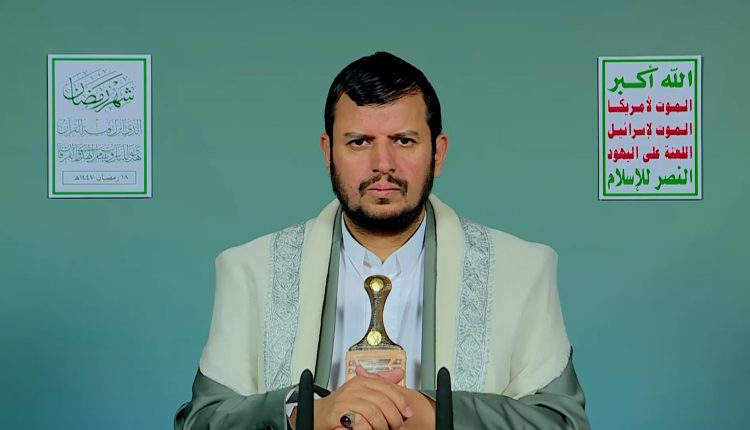
This evening, in his eighteenth Ramadan lecture, Sayyid Abdul-Malik Badr al-Din al-Houthi (may God protect him) illuminated two pivotal aspects of noble character: “modesty” and “trustworthiness.” This was part of his interpretive journey within the story of the Prophet Moses (peace be upon him) from Surah al-Qasas, drawing profound lessons from its various stages in building a complete and faithful character. He focused on the values of modesty and trustworthiness as two fundamental pillars of individual and societal conduct. Using the story of the Prophet Moses’ encounter with the daughters of the righteous sheikh in Midian as a starting point, he demonstrated how these values constitute the essence of the faithful character and a fundamental criterion for success and prosperity in this life and the hereafter. He delved deeply into the implications of the Quranic verses to offer a practical vision for building a righteous individual and a sound society.
Modesty: A Comprehensive Virtue
The Leader began his lecture by recalling the scene of the righteous sheikh’s daughter walking with modesty, emphasizing that this Quranic description, “walking with modesty,” is not merely a passing reference, but rather a summary of a great and comprehensive virtue. He explained that modesty is an inner feeling, a deep-seated emotion that prevents a person from committing shameful acts, whether sins or behaviors that diminish one’s dignity and honor.
The Leader clarified that modesty is not limited to women; it is a noble and important virtue for men as well. It is the foundation of a proper relationship with God, as a servant feels ashamed before his Creator to be seen committing a sin. It is also the basis of refined interaction with others, for a person who possesses modesty refrains from anything that might tarnish his dignity and values.
“The Strong and Trustworthy”: Standards for Bearing Responsibility
Mr. Abdulmalik then moved to a pivotal point in the story: one of the two girls suggesting to her father that he hire Moses (peace be upon him), describing him as “the strong and trustworthy.” He considered these two qualities to be “the most important standards for responsibilities and their fulfillment.”
Strength: He explained it as possessing the necessary ability to carry out the task on all levels: physical, mental, and psychological.
Trustworthiness: He explained it in its comprehensive sense, which includes preserving and safeguarding what one is entrusted with, whether religious or worldly responsibilities.
He emphasized that the combination of strength and trustworthiness is a guarantee of success and prosperity in any work or responsibility, from the family level to the level of the state and society. He stressed that betrayal and deceit are the opposite of trustworthiness and are among the greatest causes of failure and dysfunction in any field.
Contractual and Work Ethics in Islam
In light of the righteous sheikh’s offer to Moses (peace be upon him) to marry one of his daughters in exchange for working for him for eight years, the following are some of the profound lessons in this agreement:
Clarity and Transparency: The agreement was clear from the outset, preventing any ambiguity that could lead to future disputes.
Justice and Compassion in Dealings: This is evident in the righteous sheikh’s statement, “I do not intend to make things difficult for you,” a lesson in the necessity of justice and compassion in contracts and transactions, and the importance of not exploiting the other party’s needs.
The Importance of Work and Earning a Lawful Living: The story highlights the importance of work and striving to earn a living, showing that the prophets themselves worked in various professions, thus refuting the notion that work is limited to office jobs.
Remembering God’s Oversight: The agreement concludes with the statement, “And God is the Guardian over what we say,” a powerful lesson in the necessity of being mindful of God’s oversight in all dealings.
The leader concluded his lecture by emphasizing that these lessons are derived from the story of the Prophet Moses – peace be upon him – as an integrated way of life for building the individual and society on solid faith and moral foundations, stressing that “modesty”, “strength”, and “trustworthiness” are the three pillars without which an individual cannot be upright and a nation cannot rise.