
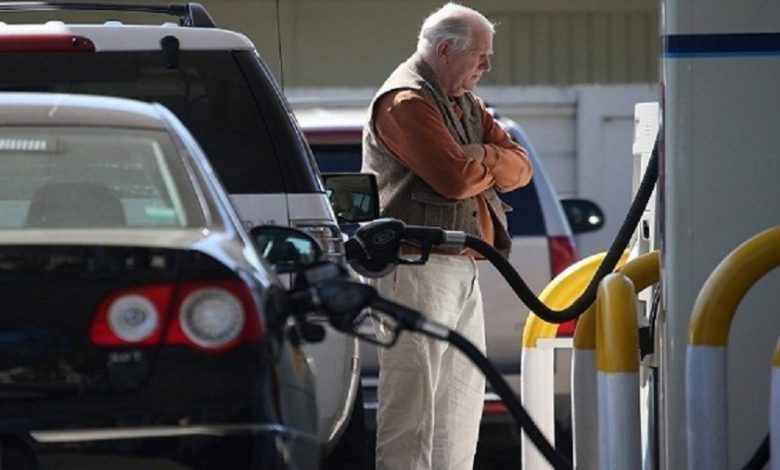
Unprecedented Soaring: Gasoline Prices Jump 65% Due to Aggression Against Iran
In a clear indication of the repercussions of the US-Israeli aggression against Iran on the American domestic scene, NBC News revealed an unprecedented surge in gasoline prices in the United States. Average prices have risen by 65% since the escalation began, surpassing $4 per gallon, marking one of the largest increases seen in the energy sector in recent years.
According to the report, this sharp rise reflects the extent of the disruption affecting global energy markets, amid ongoing military tensions and the closure of vital maritime routes, most notably the Strait of Hormuz, a crucial artery for the flow of oil to international markets. This has led to reduced supplies and increased transportation and insurance costs.
These data confirm that the repercussions of aggression against Iran are no longer confined to its geographical scope, but have extended to the heart of the American economy. This escalation is expected to directly impact the lives of American citizens through increased fuel and transportation costs, and consequently, higher prices for goods and services. This will exacerbate inflation rates and place the US administration under increasing domestic economic pressure.
Observers believe that these developments represent a clear example of the cost of wars on Western economies, where decisions to escalate military conflicts translate into burdens on citizens’ livelihoods at a time when economic challenges are mounting and the room for maneuver for decision-makers in Washington is shrinking.
These indicators suggest that the escalation in the region not only threatens security stability but also strikes at the heart of the global economic system, with immediate and direct repercussions on energy markets. This is reshaping the international economic landscape under a new equation: the cost of aggression rebounds on its perpetrators.