
The Leader: Iran’s Victory Thwarted Enemies’ Plans and Established a New Deterrent Equation for the Nation
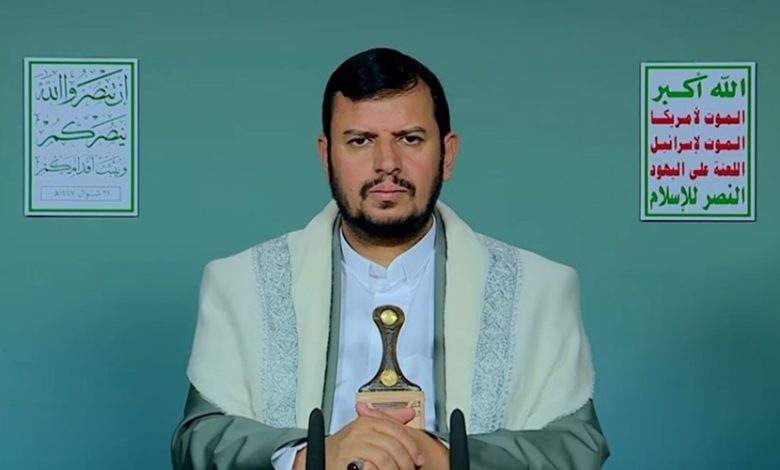
The Leader of the Revolution, Sayyid Abdul-Malik Badr al-Din al-Houthi, affirmed that the declaration of a ceasefire represents a major victory for the Islamic Republic of Iran, the Axis of Resistance, and the Islamic nation, following the failure of the American-Zionist aggression to achieve its strategic objectives.
In a speech addressing the latest developments, the Leader explained that the aggression against Iran aimed to implement a dangerous phase of the Zionist plan targeting the entire nation. He pointed out that the enemies sought to destroy military capabilities and target all aspects of life, including vital and nuclear facilities, but they suffered a resounding defeat despite the scale of the aggression and its crimes.
He noted that the steadfastness of the Islamic Republic of Iran—its leadership, people, and armed forces—was a decisive factor in thwarting the aggression. He emphasized that the cohesion of state institutions and their continued performance of their duties, despite the martyrdom of a number of leaders, reflects the strength of this system and its ability to overcome challenges.
The Leader of the Revolution explained that the Iranian Armed Forces played a pivotal role in confronting the aggression, inflicting heavy losses on the enemy, ultimately forcing it to retreat and fail. He noted that this steadfastness culminated in establishing the equation of “unity of fronts” among the various fronts of the Resistance Axis.
He emphasized that the Islamic Resistance in Lebanon was at the forefront of this equation, having waged one of its largest battles and inflicted heavy losses on the enemy through significant operational momentum and remarkable resilience. He also praised the great role of the Lebanese popular support base and the sacrifices it made.
He also pointed to the prominent role of the resistance factions in Iraq, which contributed effectively to the confrontation from the very beginning, alongside the supportive stance of the people and tribes, emphasizing that the Iraqi front was strongly present in this battle.
Regarding the Yemeni role, the leader explained that the Yemeni front contributed significantly to preventing the American and Israeli enemy from using the Red Sea for its hostile actions. It also participated in joint operations with missiles and drones, within a carefully planned escalation strategy that takes into account the various stages of the confrontation.
He added that the Yemeni popular presence was immense and unprecedented, through the million-strong marches that expressed the nation’s awareness and readiness to face the challenges.
He noted that Iran carried out military operations with unprecedented intensity targeting the Zionist heartland and American bases, forcing American soldiers to take cover and flee their positions, and keeping the Zionists in shelters for extended periods. He pointed out that the closure of the Strait of Hormuz constituted a major strategic pressure point.
The Leader of the Revolution affirmed that this victory restored dignity to the Islamic nation, shattered the equation of impunity, and established a new deterrent against hegemonic powers, emphasizing that America and the Zionist enemy failed despite employing all means of force.
He explained that this victory represents a great gain for the nation and all freedom-loving people worldwide, and establishes a new era in which equations of power and deterrence are imposed, after the enemies’ bets on breaking the will of the region’s peoples have failed.