
Tehran clarifies the path of the “understandings”: Hormuz will not return to its former state, and Lebanon is part of the agreement.
The Islamic Republic of Iran reaffirmed its firm negotiating position based on restoring rights and imposing legitimate will, far removed from any American promotion regarding the negotiations.
A number of Iranian officials made a series of statements this evening commenting on the latest developments in the understandings with the United States through Pakistani mediation.
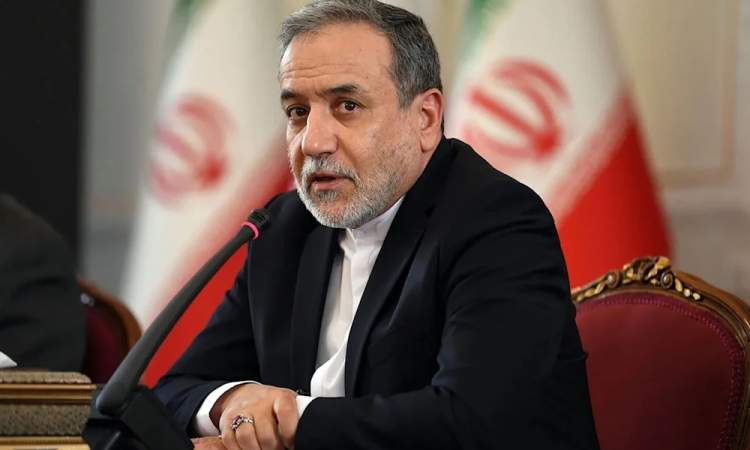
In this context, Iranian Foreign Minister Abbas Araqchi explained that “the negotiations will take place in two stages,” noting that “the nuclear file has been postponed until the final agreement, and the text of the understanding has been amended many times so far.”
Araghchi added that “the American nuclear demands at this stage were completely unacceptable to us.”
Araghchi stressed that “no agreement has been signed yet, and it is possible that we will see changes in some issues,” which confirms that the American propaganda about reaching final understandings is only within the framework of trying to reduce the pace of crises in the American interior.
He also stressed that “America pledges in the memorandum of understanding not to be the initiator of any war and not to use threats,” noting that “the issue of the Strait of Hormuz and lifting the naval blockade is included in the memorandum of understanding, and a specific mechanism has been put in place for frozen Iranian funds.”
He explained that “the interim agreement is a first step, and if it is not implemented, there will be no nuclear talks.”
While Araqchi stressed that “the management of the Strait of Hormuz will not return to the pre-war stage,” and that “sovereignty over the Strait of Hormuz belongs to Iran and the Sultanate of Oman,” Tehran appears determined to impose its terms at the negotiating table, after the failure of all Zionist-American bets.
In the same context, Araqchi noted that “the memorandum of understanding will announce the end of the war, including in Lebanon,” stressing that Tehran “will never leave Lebanon alone.”
He said, “Iran and the Iranian people are the victors on the ground, and this is not just a slogan,” adding, “In diplomacy, we tried to be a voice for the Iranian people, to defend them, and to be a support and aid to the forces,” noting that “the enemies faced fierce and very solid resistance from the armed forces and the Iranian people.”
For his part, Iranian Parliament Speaker Mohammad Baqer Qalibaf stressed that “the commitments made must be fulfilled without conditions or excuses,” emphasizing that “there is no other way to complete the anticipated agreement.” These messages confirm that the American enemy will not be able to gain anything from the negotiating table, given the strong Iranian negotiating position, the signs of which appeared with the announcement by American media of the release of a batch of frozen Iranian funds.
Meanwhile, Foreign Ministry spokesman and Iranian negotiating team leader Ismail Baghaei said: “We made every effort to ensure our narrative was based on facts,” adding: “We announced our positions to the people transparently and clarified the course of the negotiations mediated by Pakistan, and the nature of the issues that are red lines for us.”
He explained that “the problem we faced during this period lies in the contradictory statements of the other side,” noting that “the text of the understanding is in the stages of summarizing and final drafting internally,” stressing that “Iran’s approach in the negotiations was based on achieving results.”
These successive statements from the Iranian leadership confirm that Tehran has succeeded in turning its field achievements and maritime deterrence strategy in the Strait of Hormuz into solid political leverage at the negotiating table.
Faced with Iranian steadfastness and adherence to red lines, Tehran’s negotiating position reaffirms that the era of American dictates is over, and that any anticipated understanding will only pass through the gateway of acknowledging the legitimate rights of Iran and its axis, so that Iranian diplomacy remains a strong echo of the steadfastness on the ground and a support for its allies in the region.