
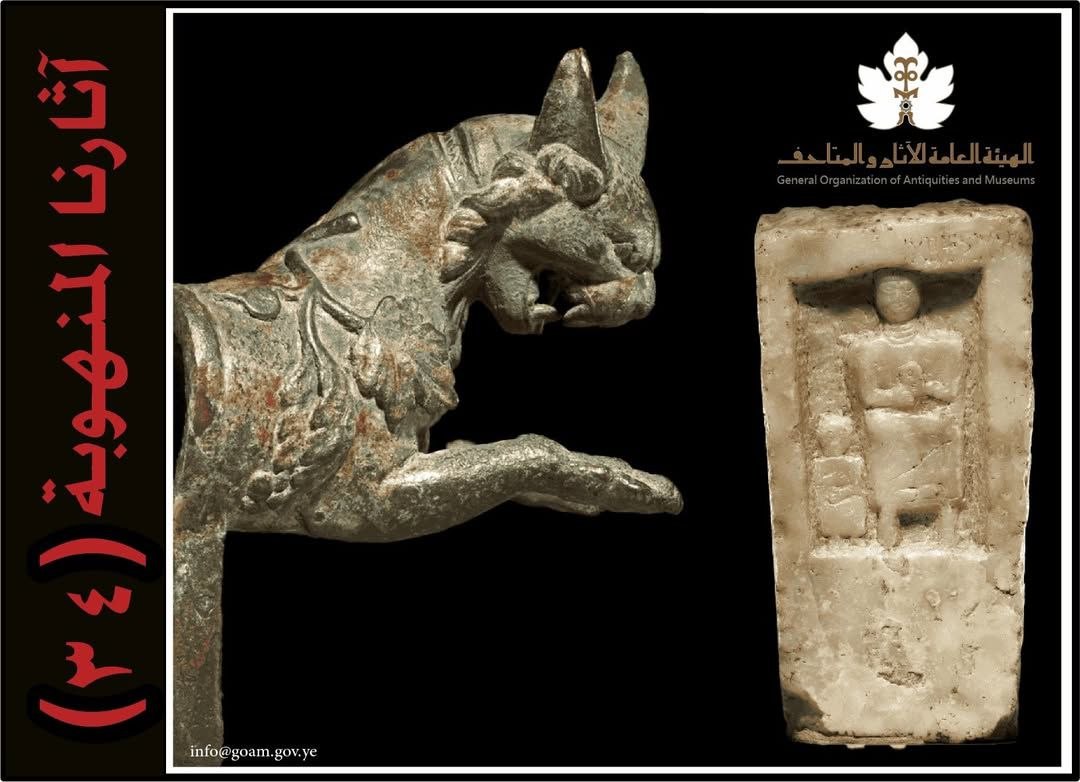
Yemen Identifies New Stolen Antiquities in Overseas Museums and Auction Houses
Yemen’s General Authority for Antiquities and Museums has published its 34th list of looted Yemeni antiquities, identifying artifacts displayed in foreign museums and scheduled for sale at international auction houses as part of its ongoing efforts to recover the country’s cultural heritage.
In a statement, the authority said eight Yemeni artifacts are set to be auctioned in the coming days by Bonhams and Apollo Art Auctions in London. The items include sculpted heads, inscriptions, and funerary stelae.
The newly released list also identifies 20 additional Yemeni artifacts held by the British Museum, including statues, Musnad inscriptions, plaques, incense burners, and seals. According to the authority, the objects were removed from southern Yemen during British colonial rule by foreign officials and antiquities dealers.
The statement noted that some artifacts entered the British Museum through donations or purchases. It added that Lieutenant L. A. R. Prideaux sold several Yemeni antiquities and coins to the museum in 1915, while British antiquities dealer Henry Oppenheimer donated Yemeni artifacts to the museum in 1919.
The authority reaffirmed its commitment to tracking looted Yemeni antiquities and notifying relevant international bodies whenever such items appear in museums or auction houses. It also called for the suspension of auctions involving Yemeni artifacts in violation of international law and demanded their return to Yemen.
The authority urged citizens and researchers to report any information related to stolen antiquities or looted archaeological sites through its official platforms.
Yemen, widely regarded as one of the cradles of ancient civilization, has seen extensive looting of its museums, archaeological sites, and historical landmarks during the colonial era and, more recently, amid years of US-Saudi aggression, with many priceless artifacts ending up in Western museums, auction houses, and private collections despite repeated Yemeni demands for their restitution.
Yemeni authorities have intensified efforts to document stolen artifacts, publish regular tracking lists, and pursue their recovery through international legal and cultural channels, arguing that the country’s archaeological heritage has been systematically depleted over decades.