
Lloyds List: Chinese tanker changes course in response to Saudi shipping ban
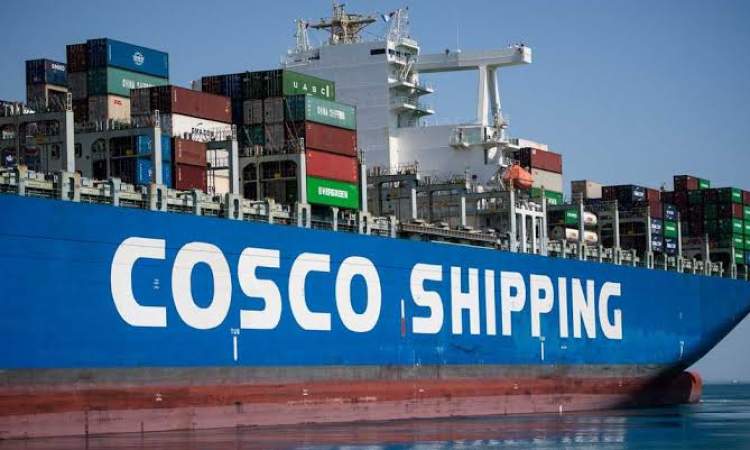
The repercussions of the naval blockade announced by the Yemeni armed forces on Saudi ports are accelerating as part of the “blockade for blockade” equation, as the global shipping newspaper Lloyd’s List confirmed that a Chinese car carrier belonging to the COSCO company changed its course in the Gulf of Aden after receiving a direct warning from the armed forces, in an indication that the blockade has begun to practically affect international shipping.
In parallel, a military source at the Ministry of Defense revealed that six ships were forced to return during the past twenty-four hours following warnings from the armed forces, stressing that these measures come within the framework of responding to the continued blockade imposed on Yemen for more than eleven years.
This development highlights that the blockade is no longer limited to ships linked to the Saudi regime, but has extended to include major international tankers, raising widespread concerns about the future of navigation in the Red Sea and the Gulf of Aden, especially with the indication that oil tankers heading to the Saudi port of Yanbu may be the next target, a port that has become a major center for oil exports after the closure of the Strait of Hormuz.
The move carries profound strategic implications, as Yemen seeks through it to impose a new equation that will force the Saudi regime to completely lift the blockade on Sana’a International Airport and Yemen’s airports and ports, and to commit to humanitarian obligations and pay salaries and compensations as a result of an 11-year aggression and blockade.
The ships’ response to the warnings also reflects the seriousness of the Yemeni measures and indicates the possibility of redrawing international shipping routes, which would force global companies to look for longer and more expensive alternatives, which would affect transport and insurance prices and increase the volatility of energy markets.
In this context, observers believe that the naval blockade that has been implemented is no longer just a local pressure tactic, but has become an influential factor in global trade, with the possibility that it could open the door to a new energy crisis if oil tankers are directly targeted.
The result is that the Yemeni armed forces’ declaration of a ban on navigation to Saudi Arabia, and the subsequent return of international ships and changes in tanker routes, puts the international community in front of a complex dilemma between protecting freedom of navigation and ensuring the continued flow of oil, and pressuring Saudi Arabia to lift its hand and guardianship over Yemen and push for a comprehensive negotiation process.