
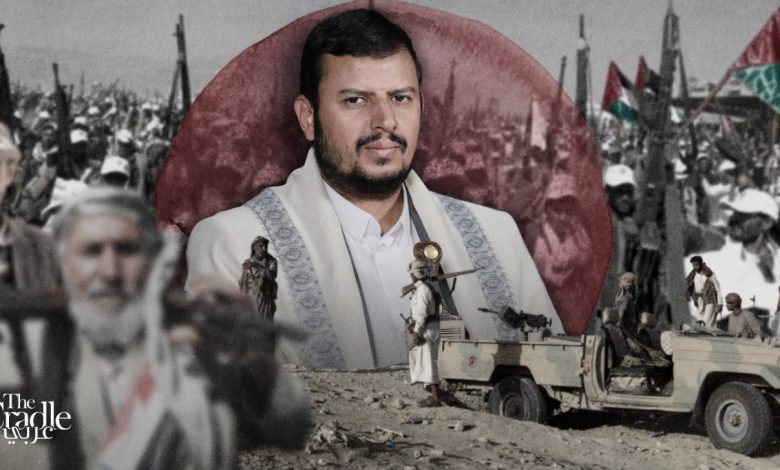
General Mobilization and the Mobilization of Yemeni Tribes:
A Hidden Force Reshaping the Landscape of War and Peace and Altering the Calculations of Global Arrogance
The capital, Sana’a, along with the liberated governorates, is witnessing widespread popular and tribal mobilization that reflects a heightened level of awareness and a deep-rooted moral and religious responsibility embedded in the faithful Yemeni tribal identity. This mobilization is not a fleeting act of protest, but a living expression of religious, ethical, and national commitment in confronting American and Zionist threats, and in supporting the Palestinian people and all the oppressed across the nation. The mass gatherings and tribal activities affirm that general mobilization, participation in armed rallies, and military training courses are not mere slogans, but practical tools aimed at strengthening defensive capabilities and fortifying the internal front against any potential escalation.
These movements coincide with serious indicators of American and Zionist plans aimed at imposing a new regional order and enforcing a politics of coercion upon Yemen and the region. In this context, the awareness and strategic understanding of Yemeni tribes of these threats positions their mobilization as a blend of religious duty, national responsibility, and humanitarian solidarity with the oppressed—underscoring that readiness and general mobilization constitute the first line of defense in preserving national sovereignty, unity, and internal security.
General Mobilization and Tribal Mobilization Raise the Level of Readiness
The popular rallies that began in the Capital Municipality and Sana’a Governorate represent a direct extension of Yemeni society’s engagement with regional threats, and a natural continuation of the national and religious consciousness historically cultivated by the Yemeni tribe. Today, these governorates witnessed massive rallies following Friday prayers, during which participants chanted slogans of freedom, dignity, and jihad, reaffirming their full mandate to the Leader of the Revolution, Sayyid Abdulmalik Badr al-Din al-Houthi, and declaring themselves at his command, ready to carry out his directives and engage in battle against the enemies of God—the Americans, the Zionists, and their agents.
In these rallies, Yemenis are not content with symbolic expressions of solidarity. Rather, they demonstrate tangible readiness through widespread mobilization that includes participation in general military mobilization courses, support for missile, air, and naval forces, and securing the internal front to ensure national stability in the face of potential threats. Analysis shows these activities are not merely popular displays, but strategic instruments aligned with tangible realities on the ground, reflecting the Yemeni society’s capacity for early preparedness in confronting any possible escalation by American and Zionist aggression or their local proxies.
Today’s movements across the Capital Municipality and Sana’a Governorate involved wide participation by citizens across districts and villages, with tribal members of all age groups affirming steadfastness and support for the Palestinian cause. This reflects a fusion of the national-religious path with ethical and patriotic commitment in confronting external threats. The popular mobilization was accompanied by concrete signs of military readiness, including visible preparations for rapid intervention if required—demonstrating that Yemenis fully grasp the depth of American and Zionist risks, and firmly connect the defense of national sovereignty with the protection of the oppressed in Palestine.
Field indicators from today reinforce this assessment: massive crowds, mobilization-oriented slogans, preparedness in equipment and logistics, and reaffirmed support for all military and security forces and internal fronts—all point to the fact that general mobilization is no longer symbolic, but a practical mechanism ensuring comprehensive strategic readiness. In this context, the Capital Municipality and Sana’a Governorate emerge as a living model of how national and religious awareness can be transformed into concrete strength that reinforces resilience, disrupts enemy calculations, and makes popular Yemeni mobilization a decisive factor in any potential confrontation.
General Mobilization as a Strategic Response to Escalating External Threats
The popular and tribal movements unfolding in Sana’a and other governorates do not arise in a vacuum, but are a conscious response to precise regional political and military developments. The American defeat in the Red Sea at the hands of accurate Yemeni strikes exposed the limitations of the so-called international coalition “Prosperity Guardian,” shattering the illusion of U.S. military supremacy. This reality has fostered broad awareness among Yemenis that any moment of weaknes