
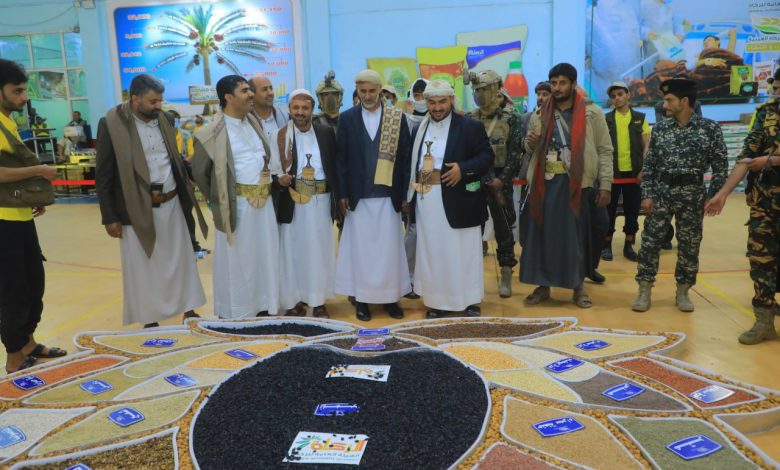
Food from Yemen’s Bounty: In-Kind Zakat Distribution Stands as New Evidence of the Blessings of the September 21 Revolution
In a scene that reflects the profound transformation brought about by the September 21 Revolution in the structure of the state and its vision toward the poor and the vulnerable, the General Authority of Zakat has launched the ninth phase of its in-kind zakat project for cash crops under the slogan “Food and Self-Sufficiency.”
This massive initiative highlights how zakat has transitioned from a resource once siphoned off by old centers of power into a transparent, dignified, and rights-based obligation that now reaches those legally entitled to it.
Thirty thousand new families receive food baskets sourced from Yemen’s own agricultural produce—at a time when the country is under intense blockade and an ongoing war for the eleventh consecutive year. Despite these circumstances, Yemen continues to transform agriculture and zakat into tools of resilience, sufficiency, and nation-building.
“In-Kind Zakat”: A Practical Model of a Resistant National Economy
Acting Prime Minister Allama Muhammad Miftah inaugurated the ninth phase of the project—one of the most prominent initiatives launched by the Zakat Authority in recent years—aimed at transforming zakat into an economic and social engine that simultaneously supports the poor and Yemen’s farmers.
The project targets the distribution of 30,000 food baskets made entirely from Yemeni products: honey, almonds, raisins, coffee, coffee husk, sesame oil, dates, and peanuts… National goods that were once monopolized by middlemen and dominant traders are now being delivered to the poorest of the poor: people with disabilities, thalassemia patients, war-wounded, individuals with physical impairments, and even vulnerable African communities residing in Yemen.
The September 21 Revolution: When Zakat Returned to Its Legitimate Path
During the inauguration, Allama Miftah posed a question that Yemenis have echoed since the revolution began:
Where did all those billions in zakat funds go before September 21?
Today, according to Zakat Authority data, the benefits of cash-crop zakat have reached 248,000 families across nine phases, while 152,000 families have received grain zakat at a rate of one qadah per household. These figures reveal the magnitude of wealth that was once looted under previous regimes—and how the revolution restored zakat to its rightful and legal recipients.
From Yemeni Soil to Yemeni Homes: Local Products Processed to Global Standards
The in-kind zakat project is not limited to collecting crops and distributing them. It encompasses a full production chain: receiving and valuing the harvest, cleaning, roasting, grinding, oil extraction, and finally packaging and sealing—following standardized procedures.
Project workers undergo specialized training programs to ensure product quality and to deliver items to beneficiaries with dignity and professionalism.
These processes lay the foundation for a local food-processing industry linked to zakat, adding value to agricultural crops and encouraging farmers to expand production.
Self-Sufficiency: A National Vision That Does Not Depend on International Organizations
The Acting Prime Minister emphasized that Yemen must not wait for international aid organizations, which often tie assistance to political or regional conditions. He stated that the country’s own resources are sufficient to reach a point where no family remains in need, were it not for the ongoing blockade and war that has destroyed much of the nation’s infrastructure without breaking the will of its people.
He added that agriculture, cooperatives, and community-driven initiatives are the gateway to real self-sufficiency, calling for both government and public efforts to raise agricultural awareness, support farmers, establish marketing networks, and regulate the domestic market to combat manipulation and monopolies.
The Zakat Authority: Expansive Projects Redefining Social Solidarity
The Chairman of the Zakat Authority, Sheikh Shamsan Abu Nashtan, highlighted several projects implemented in recent years—initiatives that go beyond traditional zakat distribution and instead form an integrated humanitarian and economic system, including:
The Debtors Relief Program
A medical camp in al-Durayhimi
Supporting the Republican Hospital with free medical services
The “Life Support” program for heart-disease patients
A project assisting 50,000 families monthly who are unable to work
Free kidney-transplant operations for needy patients
These projects demonstrate that the Authority has evolved from a mere collection-and-distribution body into a comprehensive humanitarian institution, reshaping the concept of social solidarity through sustainable development plans.
The Fruits of Zakat: From the People to the People
Regarding grain zakat, the Authority has