
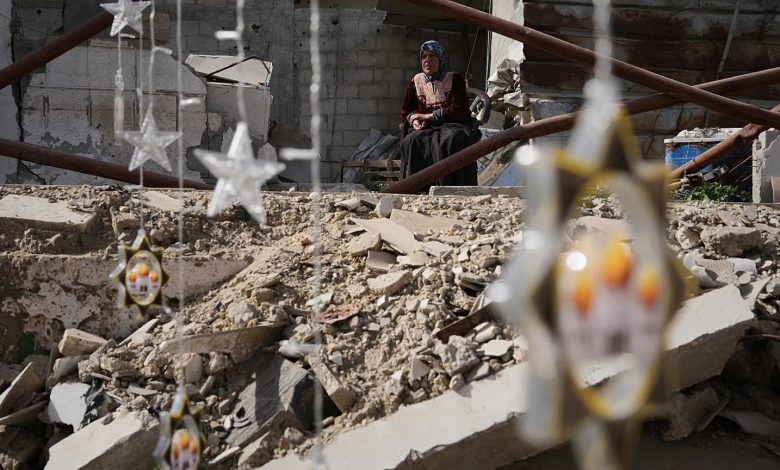
Gaza on the First Day of Ramadan: Fasting Under Bombardment and Siege
With the dawn of the first day of the holy month of Ramadan in Gaza, those fasting this year enter the blessed month amidst ongoing destruction, bombardment, and siege, a scene reflecting the extent of the daily suffering endured by the residents of the Gaza Strip, Jerusalem, and the West Bank.
While Ramadan is supposed to be a month of worship and tranquility, Palestinians are receiving it for the third consecutive year under the shadow of daily aggression, continuous violations of the ceasefire, and severe shortages of basic necessities.
Ongoing Aggression and a Fragile Truce
Today, Wednesday, the city of Khan Younis in the southern Gaza Strip witnessed the martyrdom of three Palestinians, including 20-year-old Muhand Jamal Muhammad al-Najjar, by Israeli enemy forces. This coincided with aerial and artillery bombardments of Beit Hanoun, Rafah, and Khan Younis, and the continued demolition of homes, reflecting ongoing violations of the ceasefire that came into effect in October 2015.
Statistics from the Palestinian Ministry of Health indicate that the death toll since the ceasefire began has reached 603, including 195 children and 84 women, in addition to 1,618 injuries. Thousands of bodies remain buried under the rubble, exacerbating the humanitarian crisis.
Ongoing Raids and Incursions
In the West Bank, Israeli forces continued their campaign of arrests and raids today, coinciding with settler attacks. These raids targeted the villages of Yabrud, Ein Yabrud, Turmus Ayya, Beit Ummar, Idhna, Tell, and Qusra, resulting in numerous injuries and arrests.
In Jerusalem, Israeli occupation forces escalated their restrictions on Palestinian access to Al-Aqsa Mosque, preventing the delivery of breakfast meals. Settler incursions into the mosque compound were extended by an hour daily, and Palestinian entry for Friday prayers was restricted based on prior security clearances. These measures represent an unprecedented escalation against freedom of worship and the daily lives of Jerusalemites.
Gaza on the Brink of Collapse
The Gaza Strip is experiencing a genuine health emergency, with a severe shortage of medicine and an electricity crisis threatening the lives of patients, particularly those in intensive care and neonatal units. The United Nations has warned of an environmental and health hazard due to the accumulation of waste, which has led to a public health emergency.
More than 2,000 patients require treatment outside the Gaza Strip, and approximately 350,000 patients with chronic illnesses are at risk, given the near-complete halt of humanitarian aid and the restrictions imposed by the occupation.
Ramadan and Resistance: Steadfastness and Unity
The Palestinian Mujahideen Movement affirmed in its Ramadan statement that this year’s holy month comes amidst the ongoing siege and aggression against Gaza, Jerusalem, and the West Bank. The movement considers Ramadan an opportunity to strengthen solidarity and unity and to mobilize efforts to support the Palestinian people.
Hamas also emphasized that the enemy’s systematic targeting of the Palestinian presence will not succeed in displacing the population, and that the will of the Palestinian people and their resistance will remain steadfast.
A Ramadan Without Joy
Despite all these harsh circumstances, Palestinians are trying to preserve Ramadan rituals as much as possible: mothers are trying to protect what remains of Ramadan traditions, children are making paper lanterns, and paramedics are continuing to work with limited resources, attempting to instill a sense of stability amidst a tragic and bloody scene.
Ramadan in Gaza this year is not a month of joy, but rather a living testament to the suffering of a people under daily aggression, a fragile truce, and a continuous siege.
Send feedback