
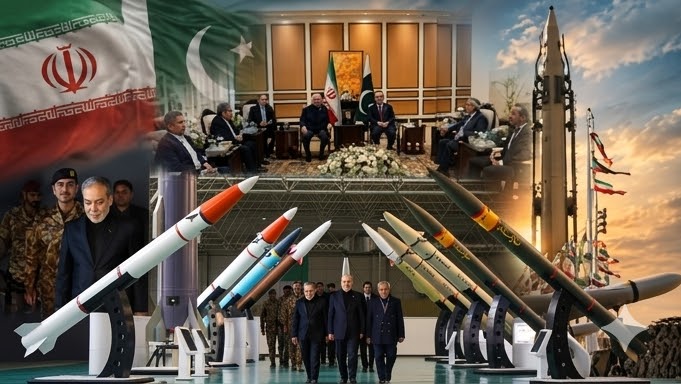
From the battlefield to politics: Iran consolidates power equations and thwarts the bets of aggression.
One hundred days into one of the most intense phases of confrontation in the history of the Islamic Republic of Iran, political and military messages continue to emerge from Tehran, confirming that the country has entered a new phase characterized by steadfastness, readiness, and strengthening deterrence equations in the face of what it describes as American and Zionist aggression and attempts to impose realities by force.
Over the past few hours, a series of statements and positions have been issued by senior Iranian officials and military leaders, all with similar content, confirming that Iran does not view what happened as a passing phase, but rather as a pivotal stage that has strengthened the cohesion of the home front and reinforced the conviction of the country’s ability to thwart hostile plans and continue the path of confrontation with greater confidence.
One hundred days of popular resistance
In this context, the Speaker of the Islamic Consultative Assembly, Mohammad Baqer Qalibaf, affirmed that one hundred days have passed since the struggle of a people who rose up to defend Iran and preserve its sovereignty and independence, praising the role played by the Iranian people in thwarting what he described as the enemies’ plans.
Qalibaf pointed out that the popular support for the state and the armed forces was one of the most important factors of resilience during the confrontation period, and contributed to thwarting attempts at pressure and subjugation that the United States and the Zionist entity had relied on. These statements reflect an Iranian vision that considers that the results of the confrontation were not limited to the military aspect, but included strengthening national unity and consolidating trust between the people and the state institutions.
On the verge of a great victory
In an assessment of the current situation, the head of the National Security and Foreign Policy Committee in the Iranian Parliament, Ibrahim Azizi, confirmed that the war has not ended yet, and that believing that the threats have ended is an inaccurate assessment of reality. However, he stressed that Iran is on the verge of a “great victory,” noting that what has been achieved during the past months has revealed the extent of the failure that American and Zionist projects have faced in the region.
Azizi asserted that recent developments have proven the failure of the policy of pressure and wars to break Iran’s will, emphasizing that the country continues to work on exposing what he described as American violations and crimes to global public opinion.
Military readiness and constant preparedness
On the military level, the statements of the commander of the Iranian army’s ground forces, Colonel Ali Jahanshahi, carried clear messages regarding the level of readiness reached by the armed forces.
Jahanshahi stressed that the Iranian armed forces have “their finger on the trigger” and are on high alert and fully prepared to deal with any potential threat, emphasizing that defending the country and its sovereignty will remain an absolute priority.
The Iranian Ministry of Defense also explained that the broad popular support during the past months has given the armed forces additional momentum to continue developing their capabilities and strengthening their defense capabilities, in order to ensure the preservation of the country’s security and stability.
The Strait of Hormuz is a red line.
Regarding the strategic maritime routes, the military advisor to the Commander-in-Chief of the Iranian Armed Forces, Mohsen Rezaei, stressed that the Strait of Hormuz is a sovereign matter belonging to Iran and the Sultanate of Oman, emphasizing the rejection of any external interference in the management of this vital passage.
Rezaei explained that Iran has the ability to protect maritime navigation and secure the movement of ships, considering that any attempt to impose guardianship or external hegemony over the Strait is categorically rejected. These statements reflect Tehran’s commitment to its role in protecting the strategic waterways that are of great importance to the global economy and energy security.
Confidence in the face of pressure
Politically, the Iranian Foreign Ministry continued to emphasize its rejection of Western accusations and attempts to hold Tehran responsible for internal crises in some countries, with Foreign Ministry spokesman Ismail Baghaei calling on the Albanian Prime Minister to address his country’s internal issues and listen to the demands of his people instead of making accusations that are not based on evidence.
This position reflects the continuation of the Iranian policy of confronting political and media pressures, in paralle