
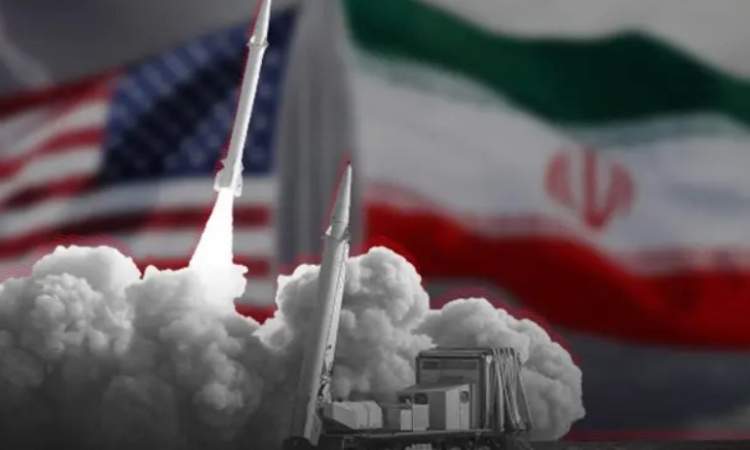
The new deterrence equation: How have regional pressure tactics reshaped the balance of power?
Saif Al-Nofli: The Middle East region is witnessing a dramatic shift in the nature of geopolitical conflict, where brute military force is no longer the sole determinant of battle outcomes, but rather “strategic pressure cards” have emerged as a means to redraw political boundaries and curb Western-backed influence.
In this context, the use of waterways and vital shipping lanes as bargaining chips, specifically the condition of freedom of navigation on Israel’s withdrawal from southern Lebanon and the lifting of the siege on Gaza, seems to have placed the international community and Israel before a new field and political reality.
Waterways weapon: A shift in deterrence strategy
Regional powers, particularly Iran and its allies, have long viewed the region’s geographic location as a critical vulnerability for the global economy if exploited effectively. Linking freedom of navigation through strategic straits to political and military developments on the ground, such as an Israeli withdrawal from occupied Arab territories, represents a significant shift in conflict management strategy.
This tactic not only embarrasses Tel Aviv and Western decision-making capitals, but also puts the interests of all countries of the world at stake.
When supply chains are disrupted and global energy markets are affected by Israeli intransigence, Israel’s traditional allies shift from a position of absolute support to one of being forced to seek political solutions to avoid internal economic crises that their people cannot bear.
The narrative has been exposed, and there is unprecedented international isolation.
On a parallel front, the international community is experiencing a moral and political awakening, as the true nature of Israeli policies is being revealed to global public opinion in an unprecedented way. For decades, Western lobbies and media outlets successfully promoted a one-sided narrative, but the documented scenes of destruction and crimes in the digital age have shattered this narrative.
Today, Israel and its allied regimes (such as the United States, Britain, and Germany) face enormous popular and legal pressure.
The unprecedented activism in Western universities, and the bold moves by the International Court of Justice and the International Criminal Court, are all indicators that the diplomatic umbrella that has been protecting Israel is beginning to erode.
Although the US veto power in the Security Council may prevent the issuance of binding economic sanctions resolutions under Chapter VII, political isolation, moral sanctions, and popular boycotts have become a reality that strongly imposes itself.
The dilemma of “crossing the line” and the absence of peace
The essence of the crisis in the Middle East lies in the major powers’ disregard for implementing UN resolutions, especially those relating to the 1967 borders.
Israel has not only seized Palestinian lands and expanded settlements, but its ambitions and practices have extended to the lands of neighboring countries in Syria and Lebanon.
This expansion, which would not have been possible without the unlimited financial and military support from Western governments at the expense of taxpayers and the interests of their citizens, has conclusively proven that peace in the region cannot be achieved through unilateral deals or the logic of force, but rather through curbing this encroachment and imposing an equation that guarantees the rights of peoples to their land and sovereignty.
conclusion:
Towards a new balance of power: Steadfastness in political positions, and the intelligent use of economic and geopolitical power tools, has succeeded in putting Israel in its true size and stripping it of the prestige of “absolute deterrence”.
Recent developments have proven that betting on changing the consciousness of the people and the movement of the active regional powers is the winning bet, and that the Middle East is no longer an open arena for passing expansionist projects without heavy prices paid by the occupying powers and their allies alike.