
UNRWA communications director: Gaza needs expanded aid, not more restrictions
The Director of Communications for the United Nations Relief and Works Agency for Palestine Refugees (UNRWA), Jonathan Fowler, called on Sunday for an expansion of humanitarian aid in the Gaza Strip, warning of the dangers posed by new restrictions imposed by Israel on the registration of international organizations operating in the Strip.
In a statement to Anadolu Agency, Fowler said that the Gaza Strip currently needs an expansion of humanitarian aid, rather than the imposition of additional restrictions that could hinder its delivery.
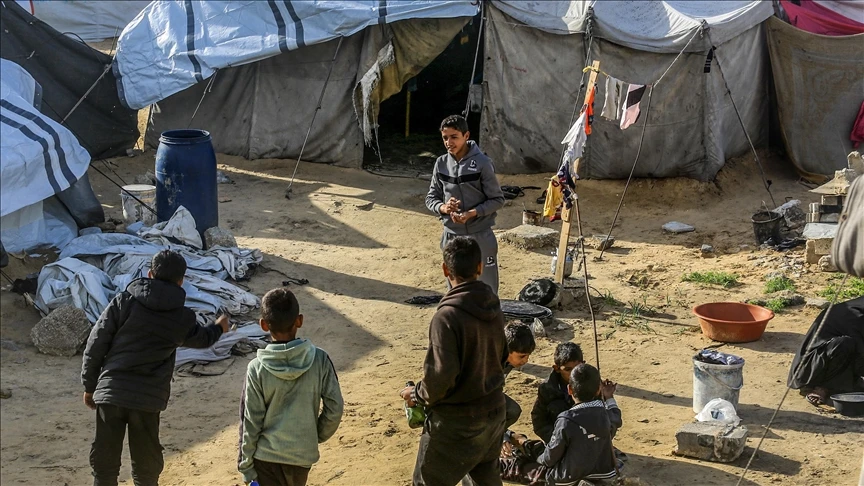
The statement added that the situation in Gaza remains catastrophic despite the ceasefire agreement, with deaths continuing and shortages of basic supplies exacerbating the suffering of the population.
It pointed out that the humanitarian conditions are worsening as residents face winter storms and the spread of respiratory illnesses caused by the cold, emphasizing that children are the most affected and that Gaza has the highest rates of limb loss among children in the world.
The statement explained that UNRWA has continued to provide educational and psychosocial support since October 2023, but these efforts are insufficient to address the long-term damage suffered by children. Regarding restrictions on registering organizations, he pointed out that they further complicate humanitarian operations, warning that international law obligates Israel to facilitate the delivery of aid to the Palestinian territories. He emphasized that Gaza is occupied territory, not Israeli land.
Fowler stressed that what the Gaza Strip currently needs is an increase in humanitarian aid, as was agreed upon since the ceasefire agreement came into effect, to ensure the alleviation of the ongoing suffering of the population.
The ceasefire agreement in the Gaza Strip came into effect on October 10th, following a two-year-long Zionist war of genocide. However, the Israeli army continues to violate the agreement daily and still prevents the entry of most humanitarian aid into the Strip, particularly aid provided by UNRWA.