
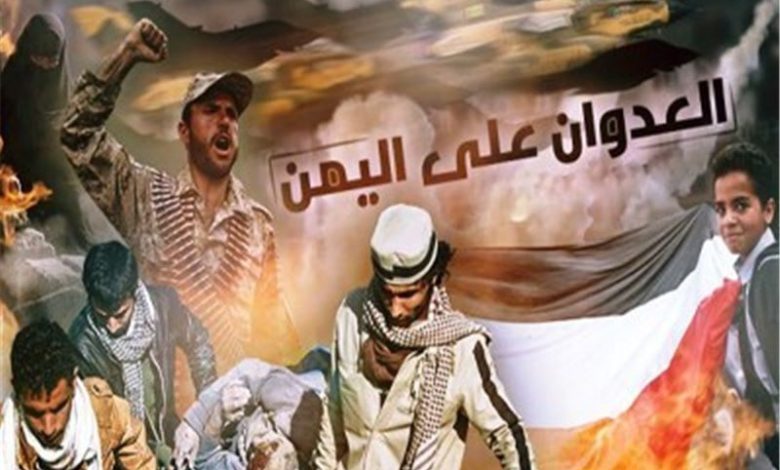
31 January: A Day of Targeting Life and National Infrastructure in the Record of Crimes Against Yemen
January 31 stands as one of the bloodiest days in Yemen’s national memory—a day on which the crimes of the U.S.–Saudi–Emirati aggression against civilians are concentrated, and the deliberate methodology of targeting homes, markets, bridges, farms, and educational and service institutions is laid bare.
Over the years of aggression, this date has become a stark witness to a war that did not confine itself to battlefronts, but instead targeted the Yemeni people in their homes, livelihoods, and infrastructure, in flagrant violation of all international and humanitarian laws.
2016: Family Massacres and the Targeting of Parks and Educational Facilities
On 31 January 2016, coalition warplanes committed a horrific massacre in the Al-Rahbah area of Bani Al-Harith District, killing three women and three children from the Al-Azki family and injuring seven others from the Nawfal family, following the direct bombing of civilians’ homes.
The attacks expanded to include Farah Land Park and later 21 September Park in the capital municipality, causing severe damage to dozens of houses. Queen Arwa University was also struck, resulting in extensive destruction to its facilities.
In Taiz, airstrikes targeted the Mokha steam power station, destroying main fuel tanks in a crime aimed at crippling the energy and services sector. Meanwhile, Ma’rib witnessed intensive bombardment, with hundreds of airstrikes hitting Al-Jawf Junction, Al-Faradah, and the road linking Sana’a and Ma’rib.
Sa’ada also endured widespread bombardment across Baqim, Al-Dhaher, and Razih, targeting farms and civilians’ property.
2017: Destruction of Bridges and Markets and the Use of Cluster Munitions
On 31 January 2017, the central market in the city of Mokha was hit by an airstrike that killed civilians and injured others. Coalition warplanes also completely destroyed Irfan Bridge, severing the main road linking Mokha to surrounding areas.
In Al-Hudaydah, two civilians were injured in shelling that struck Jobah Bridge, while the radio transmission station in Al-Maraw’ah was subjected to direct airstrikes.
In Sa’ada, the aggression used cluster munitions to bomb farms and homes in the districts of Sa’ada and Kataf, and targeted a health unit—constituting a grave violation of international law.
2018: Market Massacres and Attacks on Residential Neighborhoods
January 31, 2018 witnessed one of the most horrific massacres, as 17 civilians were killed and more than 20 injured in two airstrikes targeting Al-Abarat Bridge and Al-Mafkhadh Market in Qaflat Udhur District, Amran Governorate.
Airstrikes also hit residential neighborhoods in Bani Hashish and Shu’ub in the capital municipality, as well as areas in Hajjah and Al-Hudaydah, causing extensive damage to civilians’ homes and property.
2019: Children in the Line of Fire
On 31 January 2019, two children were killed by Saudi rocket and artillery fire on Razih District. Additional casualties were recorded in Raymah, Hajjah, and Al-Hudaydah, amid intensive shelling that targeted homes in Al-Durayhimi and the firing of Katyusha rockets at residential villages.
Al-Hudaydah also saw extensive targeting of farms in Al-Jarahi and continuous artillery shelling of residential areas.
2020–2021: Aerial Escalation and Heavy Artillery Bombardment
Escalation continued in 2020 and 2021 with airstrikes on Sana’a, Ma’rib, Al-Jawf, and Sa’ada, alongside heavy artillery shelling of residential neighborhoods in Al-Hudaydah. Hundreds of shells were recorded, in addition to the construction of military fortifications within populated areas—a policy aimed at turning cities into permanent zones of attrition.
2022: Targeting Children and Media Infrastructure
On 31 January 2022, one civilian was killed and another injured in Saudi shelling on Shada, while a girl was wounded by shrapnel in Al-Tuhayta. Coalition warplanes launched extensive airstrikes on Taiz, Ma’rib, Al-Jawf, and Sana’a, targeting the vicinity of the old television and radio building in an attempt to silence the Yemeni media voice.
2023: Ongoing Crime with Different Tools
Even on 31 January 2023, mercenary forces continued artillery shelling and the construction of military fortifications in Hays District, Al-Hudaydah Governorate—confirming that the crimes persist, even as the tools change.
An Open Crime That Will Not Be Erased from Memory
Across the years of aggression, January 31 exposes a consistent pattern of violating civilian life and destroying the foundations of existence—from homes and markets to electricity, media, and agriculture. It is a day that affirms the aggression against Yemen has been, and remains, a comprehensive war on people, land, and sovereignty—an open crime that will never be erased from memory.