
Gaza: Tragedy Under Siege and Ongoing Aggression
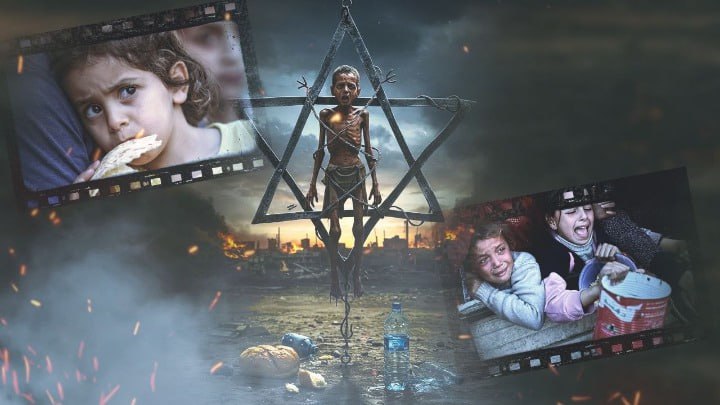
The Gaza Strip is experiencing a severe and protracted humanitarian crisis as a result of continued Israeli aggression and a blockade imposed for more than two years. This has led to widespread destruction of infrastructure and the killing and displacement of thousands of civilians, amid a major shortfall in the delivery of essential assistance to the population.
One Million in Need of Support
The United Nations Office for the Coordination of Humanitarian Affairs (OCHA) warned that conditions in Gaza remain dire, noting that more than one million people are in urgent need of assistance, including shelter, food, and basic supplies.
OCHA explained that sustainable solutions are required, including repairing damaged homes, establishing communal heating facilities, and removing rubble. The United Nations and its partners have reached more than 7,500 families with tents, covers, and blankets, in addition to providing winter clothing for approximately 1,400 children.
According to OCHA, food assistance includes the provision of bread to at least 43% of the population, the distribution of wheat flour to around 1.2 million people each month, as well as cash and in-kind support to more than 2,300 families to help them cope with winter conditions, alongside psychosocial support for hundreds of residents.
Agriculture Under Threat
The World Food Programme confirmed that farmers in Gaza are facing enormous challenges. A joint analysis with the Food and Agriculture Organization and satellite imagery showed that 87% of agricultural land has been completely damaged, destroying the food base and livelihoods.
The programme stressed the need to provide families with the necessary support to move from mere survival to recovery, underscoring the importance of sustaining crop production and livestock in the besieged enclave.
Maternal and Child Health
Zaher Al-Wahidi, head of the Information Unit at the Palestinian Ministry of Health, stated that Israeli genocidal crimes have resulted in serious health indicators affecting mothers and newborns, including increased cases of low birth weight, premature births, miscarriages, and neonatal deaths.
He added that the real figures are far higher due to women’s limited access to healthcare, the ongoing blockade, and the repercussions of the war despite the announcement of a ceasefire.
Catastrophic Figures
The Gaza Ministry of Health reported that the total number of victims since October 7, 2023, has exceeded 71,667 killed and 171,343 wounded—most of them children and women—along with more than 11,000 missing persons and hundreds of thousands displaced, amid extensive destruction across most areas of the Strip.
Since the ceasefire agreement came into effect last October, Israeli forces have continued to violate it on a daily basis, resulting in the killing of 486 Palestinians and the injury of 1,341 others.
Drums of War
The Democratic Front for the Liberation of Palestine described statements by Israeli Prime Minister Benjamin Netanyahu as playing with fire and beating the drums of war against Palestinians in Gaza and the West Bank. It affirmed that his stance represents a continuation of Israel’s colonial policies, including settlement expansion, forced displacement of Palestinians, and the imposition of a suffocating blockade.
The Front warned of the danger posed by Netanyahu’s refusal to open the Rafah crossing for the flow of humanitarian aid, considering his policies a threat to the Palestinian national project and a factor that deepens the suffering of the population.
Water and Food in Short Supply
UNRWA confirmed that access to clean water is extremely limited, and that emergency water services have reached only about 250,000 displaced people through desalination, well drilling, and water trucking.
The agency continues its efforts to maintain sanitation in shelters, while Israeli authorities prevent the entry of most humanitarian aid into the Strip.
Resilience in the Face of Crisis
Gaza remains under the weight of an ongoing humanitarian crisis, with its residents facing direct threats to their lives, health, and livelihoods, amid the international community’s inability to provide full protection. As the blockade and aggression persist and durable solutions remain absent, hope rests in the resilience of the Palestinian people and their determination to remain steadfast despite all challenges, to alleviate humanitarian suffering, and to rebuild the devastated Gaza Strip.